The Sarno Method for psychosomatic symptoms
The functional medicine community agrees that there is a strong mind-body connection, and that emotions can create physical symptoms—we call these symptoms psychosomatic.
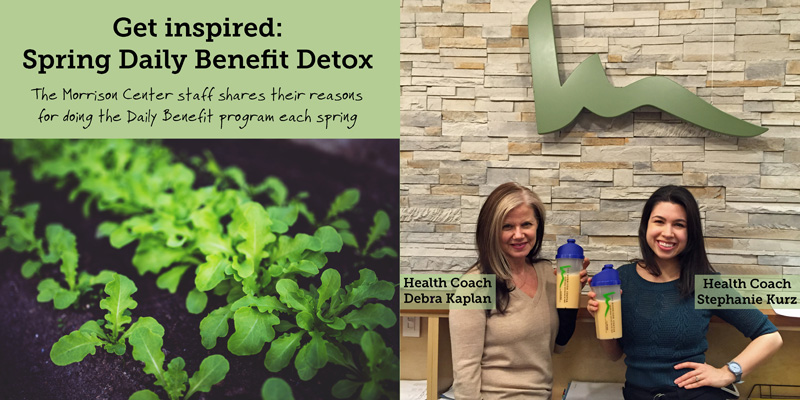
What is our spring Daily Benefit® program, and why should you do it? Here’s what our staff has to say.
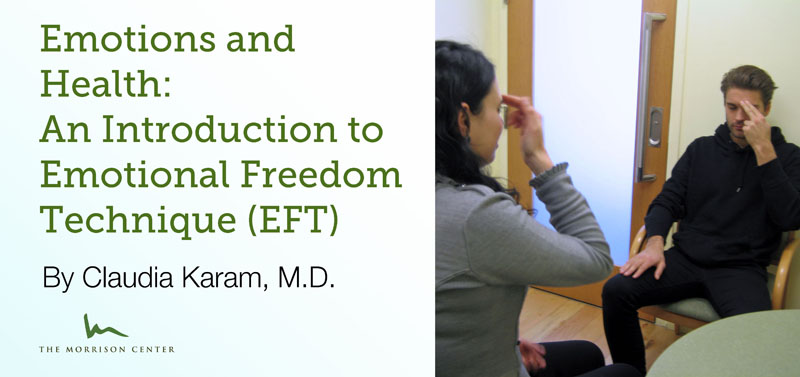
At The Morrison Center, we believe our emotional and physical health are closely linked. Traditional eastern cultures such as the Chinese have long understood this connection and believe that emotions directly correlate to specific organs and disease states.
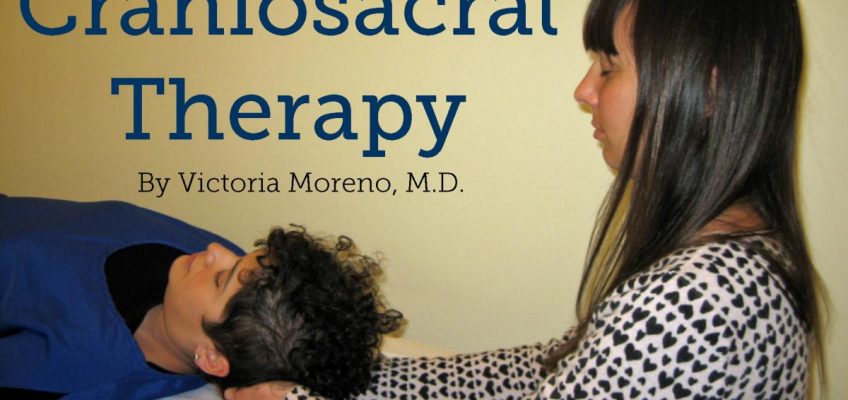
I am in constant exploration of new ways to enhance health and well being. This is part of who I am and also my job. This quest has lead me to learn about multiple non-conventional treatments, and a particular type of bodywork called my attention as a particularly effective healing strategy: craniosacral therapy (CST).
Every year, around this time, I have a steady stream of male and female patients come to see me to discuss an often sensitive and embarrassing topic: low libido, and how to improve it.
Since it’s almost Valentine’s Day, I thought I’d mention a few tips to consider about libido: What is it, why it’s low, and how to improve it.
If you’ve read this week’s post in which Dr. Morrison shares ways to increase feelings of love and connectedness, you’ll be happy to know that he views dark chocolate as a true superfood. Eaten in moderation (an ounce several times a week) — as long as it’s at least 70% cacao and dairy-free — dark chocolate can provide a number of benefits:
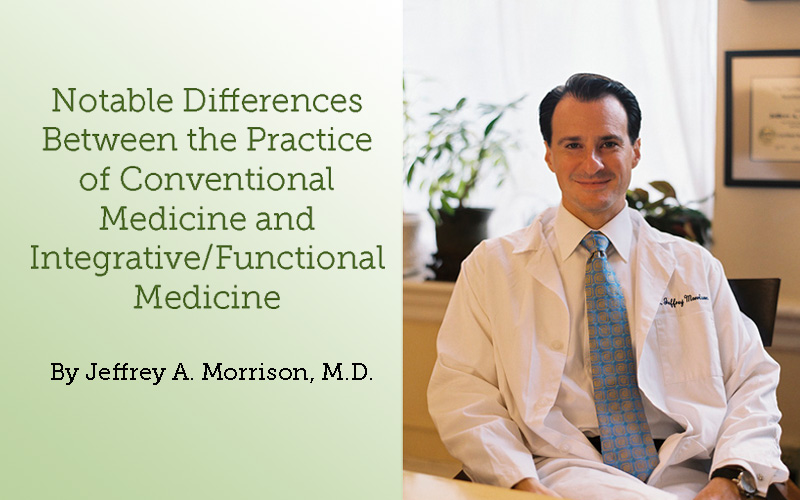
Many patients have asked me to explain how we at The Morrison Center, in our practice of integrative and functional medicine, do things differently than conventional medical doctors. Since I founded The Morrison Center in 2004, the answer to this question has evolved with technology and exciting new health-enhancing treatments.
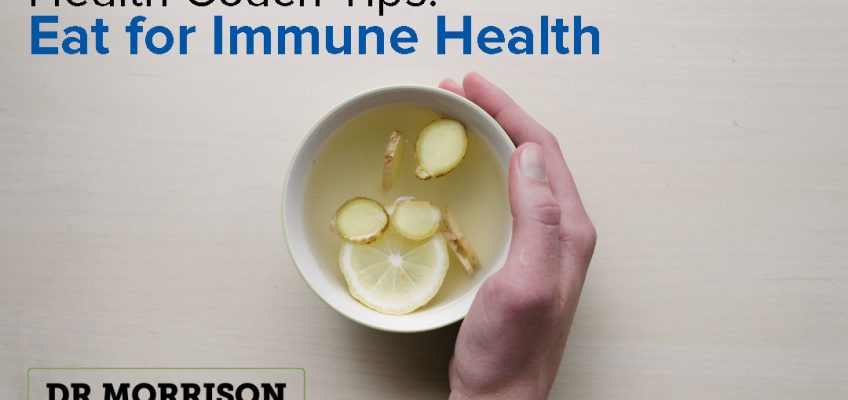
In last week’s post, Dr. Morrison and Dr. Moreno offered specific diet and supplement suggestions for preventing and treating cold and flu. As a health coach, I work to make our doctors’ suggestions practical and fun for our patients with specific foods and recipes, based on their tastes. This week, I’ll break down their food-related suggestions with specific and tasty tips:
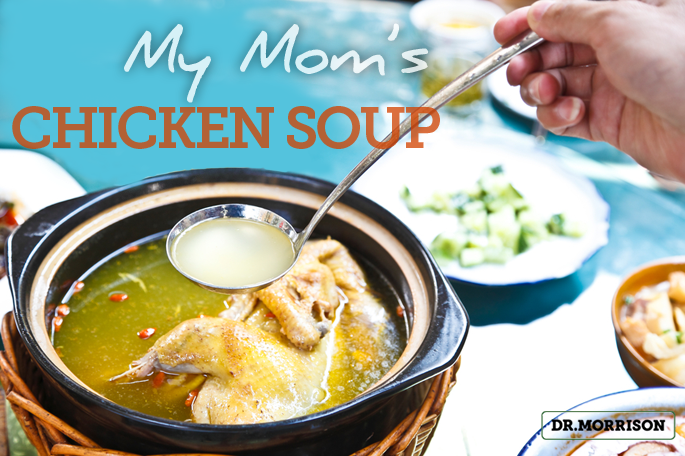
I wanted to share my mother’s chicken soup recipe, passed down from my Hungarian Jewish grandmother, along with some nutritional facts about each ingredient. This is particularly healing when one has a cold or the flu.
You may have noticed that around mid-January, winter starts to show off: icy temperatures and impromptu snow storms, coupled with blasting heat and dry indoor air everywhere you go—it’s no wonder that we are in the thick of cold and flu season.